


Audi RS3 on JR51: Precision with Presence
02/11/26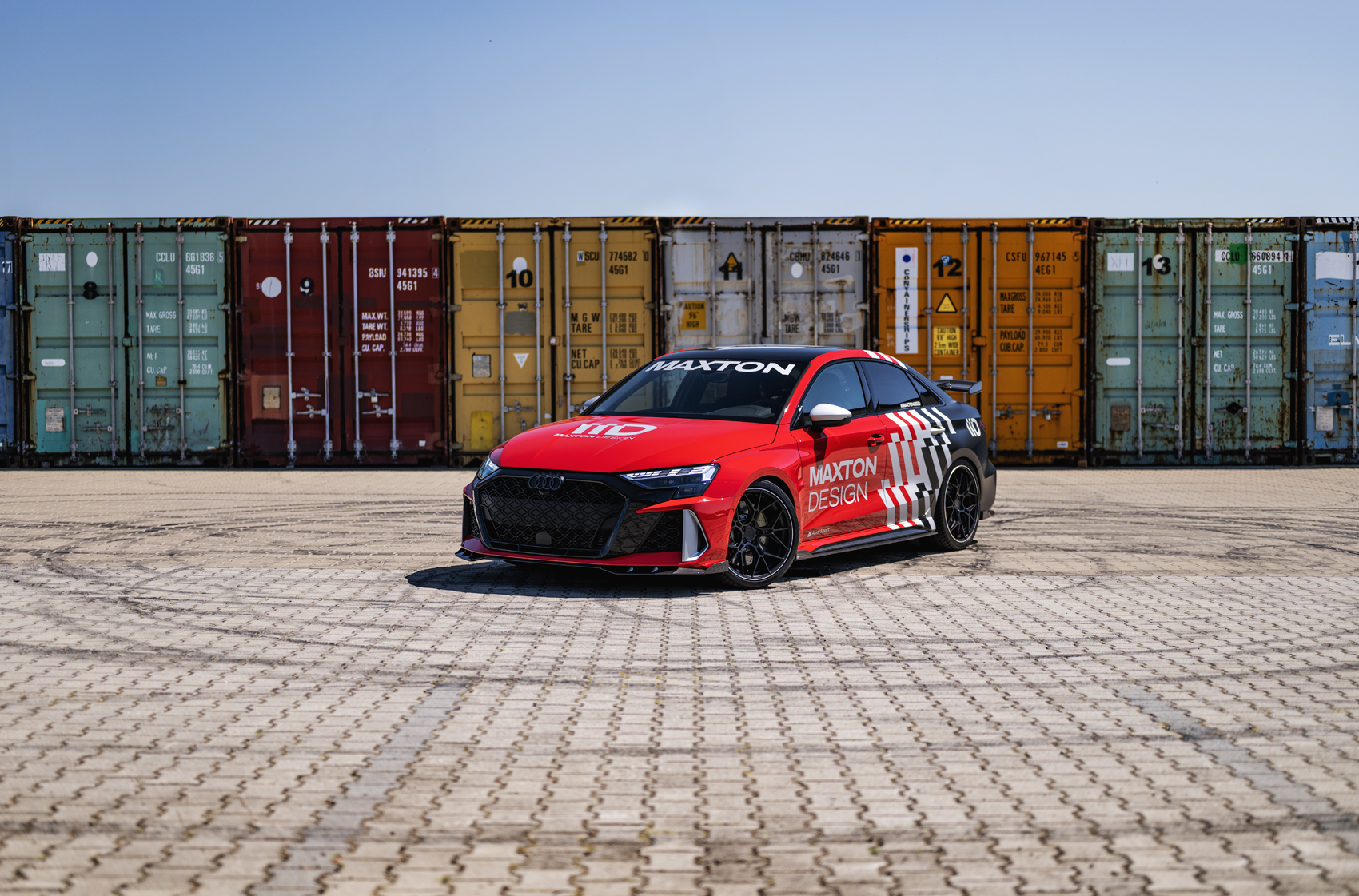
There is a particular kind of confidence in a car that holds several strong visual ideas together. This Audi RS3 has the colour, the graphics and the aerodynamic silhouette to make an immediate impression, yet its wheels give the composition somewhere to settle. The JR Wheels JR51 design introduces a detailed, architectural rhythm beneath the bodywork. In Satin Black, the wheel centres connect naturally with the darker sections of the exterior, while a bright perimeter visible in the photographs keeps each wheel clearly defined. The result feels deliberate: a vivid automotive statement with carefully controlled detail at ground level.
The configuration recorded in the JR Wheels vehicle gallery is specific. This Audi RS3 wears JR51 alloy wheels measuring 19x9.5 at the front and 19x8.5 at the rear, with Satin Black identified as the finish. Both axles share a 19-inch diameter, but the front wheels are one inch wider. That distinction belongs to this particular installation and is an important part of its identity. These are wheels for RS3 presented as a complete visual arrangement, with the dimensions supporting a coherent relationship between the front and rear of the car.
Colour establishes the mood before the finer details become apparent. In the inspected photographs, strong red bodywork meets black rear sections and large white graphic elements. The contrast has an unmistakable display-car energy, with lettering and angular shapes breaking across the doors and rear quarter. Against that animated surface, black aftermarket wheels create a consistent lower register. They allow the exterior graphics to retain their impact while adding a separate layer of visual complexity. The car has several points of interest, but the circular geometry of the JR51 keeps the overall impression grounded.
Looking more closely reveals why this wheel design works within such a busy composition. The JR51 has a multi-spoke appearance, with slender elements branching into an angular arrangement around the centre. Open spaces between those elements are as important as the spokes themselves. They prevent the face from reading as a solid dark disc and allow glimpses of the components behind it. In the photographs, red brake calipers appear through the openings, establishing a small but effective colour connection with the bodywork. This repetition gives the detail a sense of belonging within the wider exterior scheme.
The visual character changes with distance. From farther away, these sporty wheels contribute dark, substantial circles beneath the vivid bodywork. Closer inspection brings out individual edges, junctions and changes of direction. That progression is part of the attraction of an intricate wheel face: the design offers a clear silhouette first, then rewards attention with smaller relationships. On this RS3, the effect complements the large graphic treatment above it. The body carries broad gestures, while the wheels introduce finer lines. Each operates at a different scale, allowing both to remain expressive within the same composition.
Satin Black gives those lines a restrained foundation. In the sunlight captured by the photographs, the wheel faces are dark without becoming completely featureless. Highlights pick up selected edges, while other surfaces recede into shadow. This makes the design appear layered and gives the spokes a sculpted quality. The finish is particularly effective beside the black rear bodywork, where the wheel centre feels connected to the surrounding colour. At the same time, the brighter outer boundary prevents the tyre and wheel from merging into an indistinct shape. It is a small visual separation with considerable influence.
That bright circumference also changes the way the 19-inch diameter is perceived. It draws a precise outline around the wheel face, creating a clean transition between the intricate centre and the tyre. In a photograph with strong sunlight and deep shadows, such a boundary helps preserve proportion. The eye can follow the full circle even where individual dark spokes become less distinct. On a car with angular graphics, rectangular lettering and sharply defined body details, the uninterrupted circle introduces an especially satisfying contrast. It adds order without reducing the energy of the exterior.
The front-quarter photograph brings another aspect into focus: the relationship between the wheel face and the surrounding bodywork. The JR51 sits beneath a strongly coloured front wing, with the tyre framing its perimeter and dark lower trim extending along the side of the car. From this angle, the spokes appear to travel inward towards the centre, giving a visible impression of concavity. The photograph supports that sense of depth, although it does not establish a measured concave profile. Its contribution is aesthetic, adding another dimension to a wheel already defined by intricate surface geometry.
The rear detail tells a different visual story. Here, the wheel sits beneath a predominantly dark quarter panel, with white graphics passing above and forward of the arch. The dark centre becomes part of a broader area of black, while the highlighted perimeter separates it from its surroundings. A large rear wing appears higher in the frame, extending the car’s assertive silhouette. Between the wing, the side extension and the detailed wheel face, the rear section carries a clear show-car attitude. The JR51 supplies enough complexity to hold its place within that arrangement.
Wheel fitment is often discussed as a single impression, but this installation shows how several relationships contribute to it. Diameter determines the basic scale of the wheel within the arch. Width describes another part of the configuration, while the tyre and the position of the wheel influence the finished outline. Here, the confirmed 19-inch diameter establishes consistency across both axles. The different front and rear widths add specificity without disrupting that visual continuity. The result is a stance that reads as one considered composition, even though the dimensions are deliberately different at either end.
The wider front specification deserves particular attention because it is easy to overlook when discussing custom wheels. The gallery records 9.5 inches at the front and 8.5 inches at the rear; those figures should retain their original axle positions. They do not, by themselves, establish tyre widths, alignment settings or handling behaviour. Their value in describing this car lies in accuracy and proportion. They identify the actual wheel arrangement rather than reducing the installation to a generic reference to 19-inch tuning wheels. That level of detail gives the build a more distinct identity.
Tyre profile contributes to the photographs in a quieter way. The visible sidewalls form a relatively shallow dark band around the wheel faces, reinforcing the prominence of the JR51 design. Exact tyre dimensions are not provided, so the visual observation remains separate from any numerical specification. What matters aesthetically is the balance: enough tyre is visible to frame the wheel, while the spokes retain a strong presence within the arch. This relationship helps the alloy wheels look integrated into the car’s proportions, with the surrounding rubber acting as a clear, understated border.
The JR51 range is listed in 18-, 19- and 20-inch diameters, placing this RS3’s installation in the middle of the available diameter selection. The model is also identified with FlowForm in the product information. Together, those verified details provide context for the design without requiring assumptions about this set’s weight or performance. Here, the 19-inch configuration makes a visual case of its own: it provides substantial wheel presence while keeping the car’s bodywork, graphics and lower exterior details within the same balanced field of attention. JR
The phrase “Dynamic Precision” associated with the JR51 is especially easy to understand as a description of its visual language. The face combines movement with a disciplined arrangement of repeated shapes. Individual spoke elements create directional energy, but the pattern remains organised around the centre. On the RS3, this geometry sits comfortably beside the sharp breaks in the graphic treatment. The relationship feels intentional because both surfaces share an interest in lines and angles. The wheels interpret that interest through fine detail, bringing a more intricate texture to the car’s larger exterior shapes.
The industrial setting adds another layer to the presentation. Weathered shipping containers stand behind the car, their metal doors divided by hinges, locking bars and rectangular panels. Underneath, patterned paving introduces its own repetitive texture. These surroundings provide a rough, practical backdrop for the wheel details. The JR51’s slender spokes appear especially precise against the broader hardware of the containers. This contrast gives the photographs character: carefully finished automotive surfaces occupy a setting marked by use, scale and utility. The car feels visually connected to the space while remaining its most concentrated point of interest.
Sunlight makes that setting particularly effective. Strong illumination across the red panels emphasises their curved surfaces, while darker areas beneath the body and inside the wheels create depth. The JR51 face catches light selectively, revealing parts of the spoke structure and leaving others subdued. A softer image might present the wheel as a more uniform object; here, the changing brightness makes its geometry feel active. The finish responds visually to the conditions around it, allowing the same wheel to read as a dark graphic element and a detailed sculptural object within one frame.
The close framing of the photographs also encourages a particular way of looking at the car. Rather than relying entirely on a distant overall view, the inspected images concentrate on the front and rear wheel areas. This places attention on the transitions between paint, graphics, tyre, wheel and lower trim. Those transitions are where a cohesive build becomes convincing. The JR51 benefits from that scrutiny because its pattern supplies interest at close range, while its colour remains consistent with the broader exterior. The wheel detail feels like an extension of the car’s overall direction.
There is an OEM+ element in that sense of continuity, even though the complete car is visually much more expressive than the term usually suggests. The relevant quality is coherence: the wheels appear to follow an established design direction. Satin Black relates to the darker exterior areas, the red calipers echo the bodywork, and the bright circumference gives each wheel a controlled edge. These connections make the installation feel resolved. The car’s show-oriented graphics remain prominent, but the wheel choice gives them a structured foundation and helps the various modifications read together.
Its stance has a similarly measured visual logic. The wheel faces occupy the arches with confidence in the photographed views, and the dark side extensions visually lower the line running between them. This creates a strong connection along the bottom of the car, linking front and rear into one continuous composition. It is an aggressive fitment aesthetic expressed through the visible arrangement, rather than a claim about exact clearances. The resulting impression is compact and purposeful, with the wheels contributing to the car’s apparent readiness even while it stands still on the paving.
That stationary sense of energy is central to the appeal of sporty wheels. The vehicle does not need to be photographed in motion for its details to suggest movement. Repeated spokes, angled graphic elements and the sweep of the bodywork establish direction within a still image. On this RS3, the JR51 contributes a concentrated rhythm near the road surface. It gives the lower part of the car visual activity that corresponds with the stronger gestures higher up. The result is a complete silhouette whose character remains apparent even in a tightly cropped photograph.
The daily, sport and show-car references in the build are best understood as aesthetic influences. Its recognisable road-car body supplies the everyday context, while the wheel design, visible calipers and aerodynamic additions create a sporting impression. The graphics and rear wing bring a more theatrical dimension. Nothing in that description requires a claim about lap times or ride comfort. The attraction lies in how convincingly these references coexist. The JR51 serves as a meeting point between them, offering detailed custom-wheel character within a finish that remains visually composed.
There is also a particular restraint in choosing black for an already expressive exterior. A brighter wheel centre would establish another large area of colour, shifting the balance of the whole car. Here, Satin Black concentrates attention on form, allowing the spoke pattern to emerge through highlights and shadows. This makes the design feel more closely tied to the body’s darker sections. The decision is visually effective because it preserves hierarchy: the exterior announces the car from a distance, and the alloy wheels supply their own character as the view becomes closer and more detailed.
The distinction between the two axle widths adds another rewarding layer for anyone studying the configuration. From a casual angle, the shared diameter and matching design establish immediate consistency. The recorded dimensions then reveal that the installation has a more specific arrangement beneath that unified appearance. This combination of visible continuity and technical detail is part of what makes a wheel-focused feature engaging. The car works as an image before its specifications are examined, and those specifications give the image greater definition once the front and rear setup is understood.
What ultimately distinguishes this Audi RS3 is the relationship between expression and structure. The bodywork carries an energetic mix of red, black and white, while the JR Wheels JR51 introduces a repeated, carefully bounded pattern beneath it. The 19x9.5 front and 19x8.5 rear configuration supplies a precise identity, and Satin Black connects the wheels to the wider exterior. In the inspected photographs, every highlighted edge and dark opening contributes to a composed result. This is an RS3 whose custom wheels make the entire visual statement feel more complete, from its graphic-covered panels to its stance on the ground.
GALLERY


